It’s not if, it’s when: Why experts say every family needs a 72-hour disaster survival plan
01/26/2026 / By Cassie B.
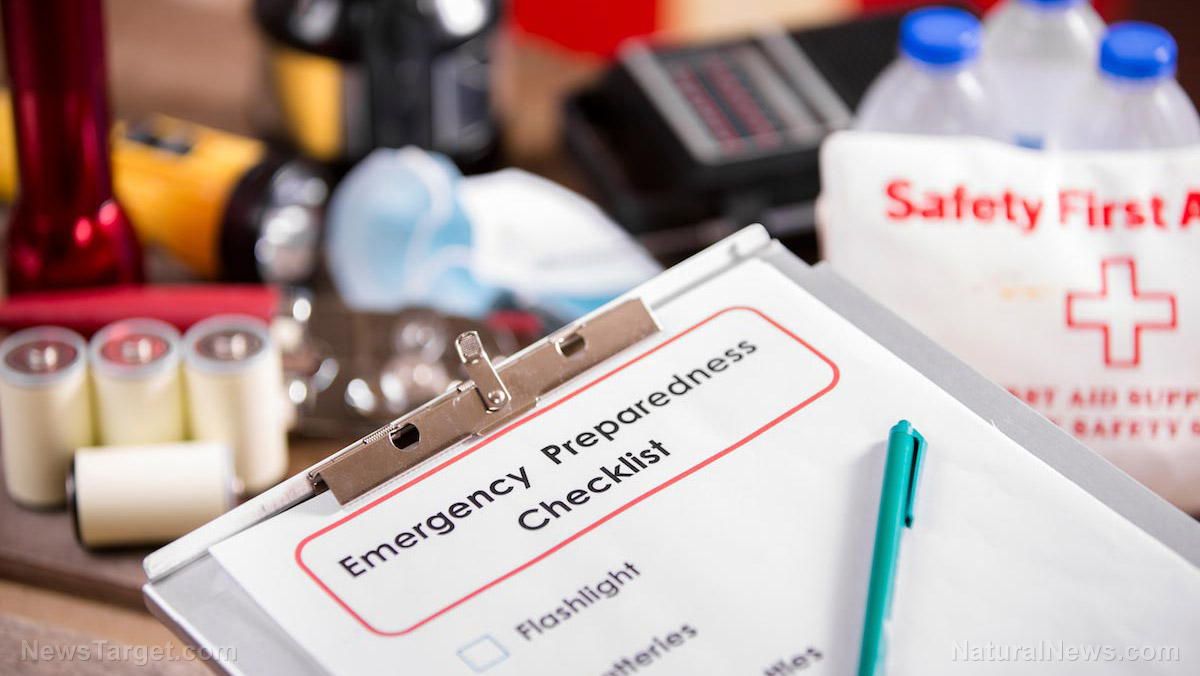
- Prepare before disaster strikes with essential supplies and a clear plan.
- Build a 72-hour disaster kit with water, food, and critical safety items.
- Create and practice a family communication and evacuation plan regularly.
- Include your vehicle in preparedness with a kit, and keep the fuel tank full.
- Maintain readiness through ongoing reviews, drills, and safe generator use.
When disaster strikes your community, will your family be ready? Emergency managers across the nation are sounding the alarm that preparedness is no longer optional but a fundamental responsibility for every household.
“It’s not a question of if; it’s a question of when,” says Dale White, an emergency preparedness manager. The time to prepare is now, before the earthquake trembles, the floodwaters rise, or the wildfire smoke darkens the sky.
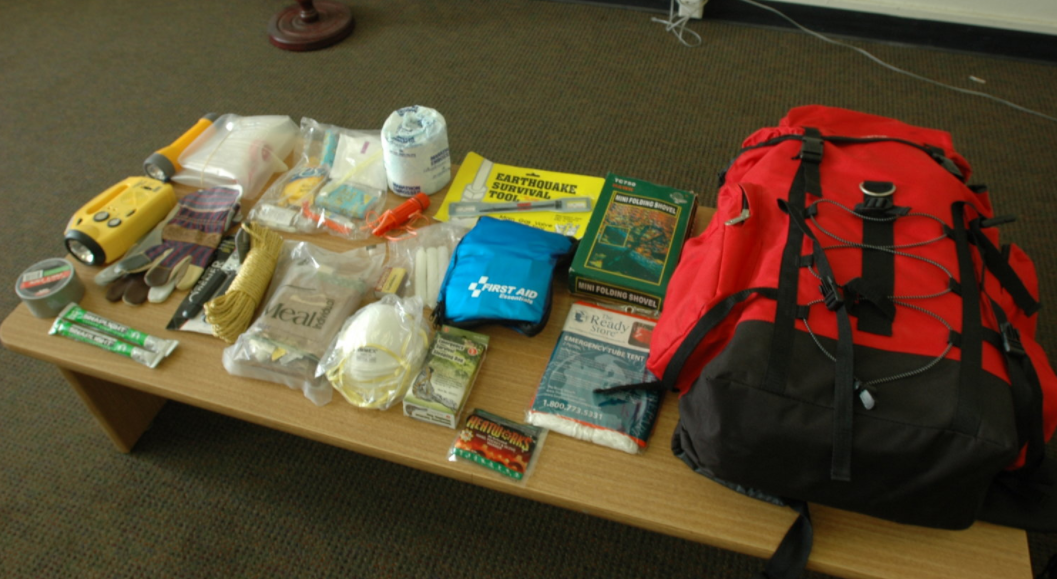
The cornerstone of readiness is a disaster supplies kit that enables your family to be self-sufficient for at least 72 hours. Authorities emphasize that help may not arrive immediately, and you might need to shelter in place. White suggests building your kit gradually. “Start by picking up an extra nonperishable food item or a water bottle on your weekly grocery trip,” he advises. “Before you know it, you’re going to have a decent amount of food and water.”
Your kit must include one gallon of water per person per day for at least three days, with clear plastic bottles recommended for longer shelf life. Add a three-day supply of nonperishable food and a manual can opener. Essential items include a first aid kit, prescription medications, a battery-powered or hand-crank radio, flashlights, and extra batteries. Do not forget a wrench to turn off utilities, plastic sheeting, a whistle, emergency blankets, a change of clothing with sturdy shoes, personal care items, copies of important documents, and cash.
Creating your family plan
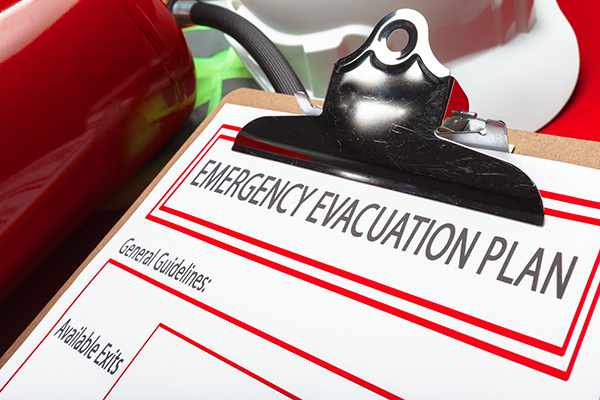
A well-practiced plan is what transforms a collection of supplies into a lifeline. “Preparing your family makes everybody a lot calmer,” White notes. Your plan must identify two meeting places: one right outside your home for emergencies like fire, and another outside your neighborhood in case you cannot return home.
Every family should designate an out-of-town contact person. After a disaster, family members can call this relative or friend to relay information, as long-distance calls often go through when local lines are overwhelmed. Complete a family communication plan with all contact information and ensure every member carries a copy.
Practice is non-negotiable. Hold earthquake drills and practice “Drop, Cover, Hold.” Conduct fire drills, ensuring everyone knows two exits from each room. Critically, all adults should know how to shut off your home’s electricity, gas, and water, with the necessary tools kept nearby. Authorities caution that if you turn off gas, only a qualified professional can turn it back on, which could take weeks.
Don’t forget your vehicle
Your car is a key part of your strategy. “Chances are if you’re not at home, your car is going to be nearby,” White observes, or you may need to evacuate quickly. Keep your vehicle’s fuel tank above half full, as stations may be closed during emergencies. Maintain a smaller version of your disaster kit in the car, alongside a safety kit with jumper cables, flares, basic tools, and a paper map.
Special considerations are vital. If you have pets, include food, water, and carriers in your kit. For those with medical conditions or disabilities, plan for necessary equipment and medications. Remember, most public shelters do not accept pets for health reasons, so identify pet-friendly hotels or boarding facilities in advance.
The environmental aftermath of a disaster presents hidden dangers. Floodwater may contain raw sewage or hazardous chemicals. After flooding, mold growth becomes a serious health threat within 24 to 48 hours on wet materials. Standing water also becomes a breeding ground for mosquitoes. Proper cleanup is essential.
Perhaps the most dangerous post-disaster mistake is improper generator use. Officials alert that generator exhaust is toxic. “Always put generators outside well away from doors, windows, and vents,” warns the EPA. “Never use a generator inside homes, garages, crawl spaces, sheds, or similar areas.” Carbon monoxide poisoning is a silent, deadly killer.
True preparedness is not a single action but a maintained lifestyle. Review your plan every six months. Check and rotate your food and water supplies. Test smoke alarms monthly and replace batteries yearly. Conduct family drills. This ongoing commitment transforms fear into confidence.
In our modern world, we have sealed ourselves in tightly constructed homes, often disconnected from the natural rhythms that once guided human resilience. Preparing for disaster reconnects us with a fundamental truth: self-reliance is the first and most important response. Taking these steps today ensures that when the unexpected arrives, your family will not be victims waiting for help, but a capable team ready to respond.
Sources for this article include:
Submit a correction >>
Tagged Under:
Collapse, emergency preparedness, evacuation, homesteading, natural disasters, off grid, preparedness, prepper, prepping, SHTF, survival, tips
This article may contain statements that reflect the opinion of the author
Get independent news alerts on natural cures, food lab tests, cannabis medicine, science, robotics, drones, privacy and more from NewsTarget.com
Get independent news alerts on natural cures, food lab tests, cannabis medicine, science, robotics, drones, privacy and more from NewsTarget.com
RECENT NEWS & ARTICLES